
REGENERATIVE GRAZING PRACTICES
OUR PHILOSOPHY
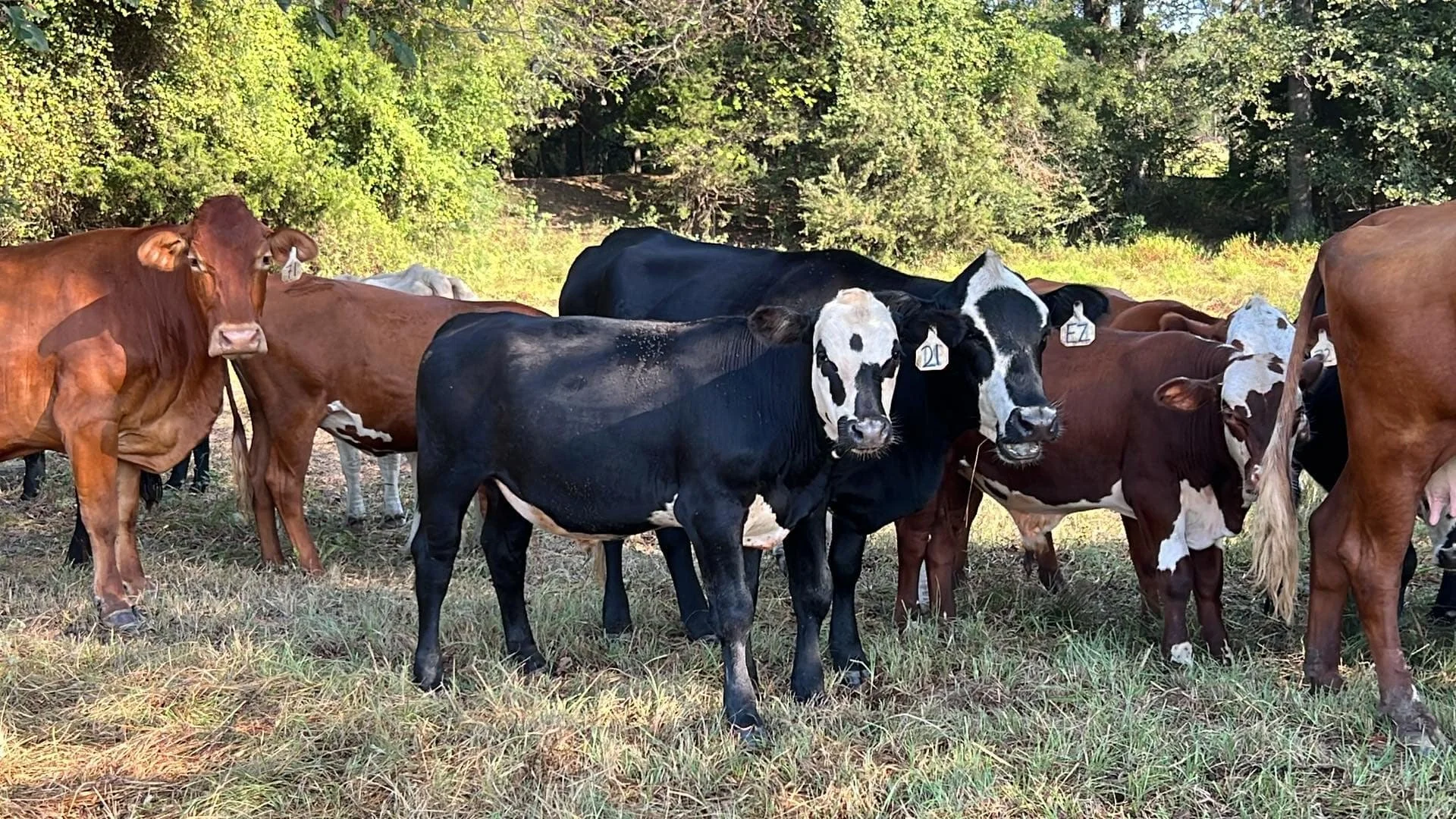
Our ranching philosophy is simple: healthy soil creates healthy grass, healthy grass supports healthy cattle, and healthy cattle produce better food.
We manage our land using the time-tested Six Principles of Soil Health that focus on working with natural systems rather than trying to overpower them. These principles guide how we graze, how we rest the land, and how we plan for long-term resilience—so this ranch is better each year, not worn out over time.
1. KNOWING OUR CONTEXT
No two ranches are the same. Climate, soil type, forage species, water availability, and management capacity all shape how land responds.
We base our decisions on careful observation of: monitoring rainfall, plant recovery, soil condition, and livestock performance. Understanding our land’s unique context allows us to adapt our management instead of forcing uniform outcomes.
2. KEEPING THE SOIL COVERED
Soil performs best when it’s protected.
We manage grazing to leave adequate plant cover on the ground throughout the year. Standing grass and plant residue shield the soil from erosion, moderate temperature extremes, and improve moisture retention. Over time, this cover builds organic matter and supports soil life.
3. MINIMIZING SOIL DISTURBANCE
Healthy soil relies on structure and biological activity.
We limit unnecessary mechanical and chemical disturbance and instead use grazing and rest as our primary management tools. Disturbance is used thoughtfully and intentionally, followed by sufficient recovery, allowing soil processes to function as designed.
4. INCREASING PLANT DIVERSITY
Plant diversity strengthens the entire ecosystem.
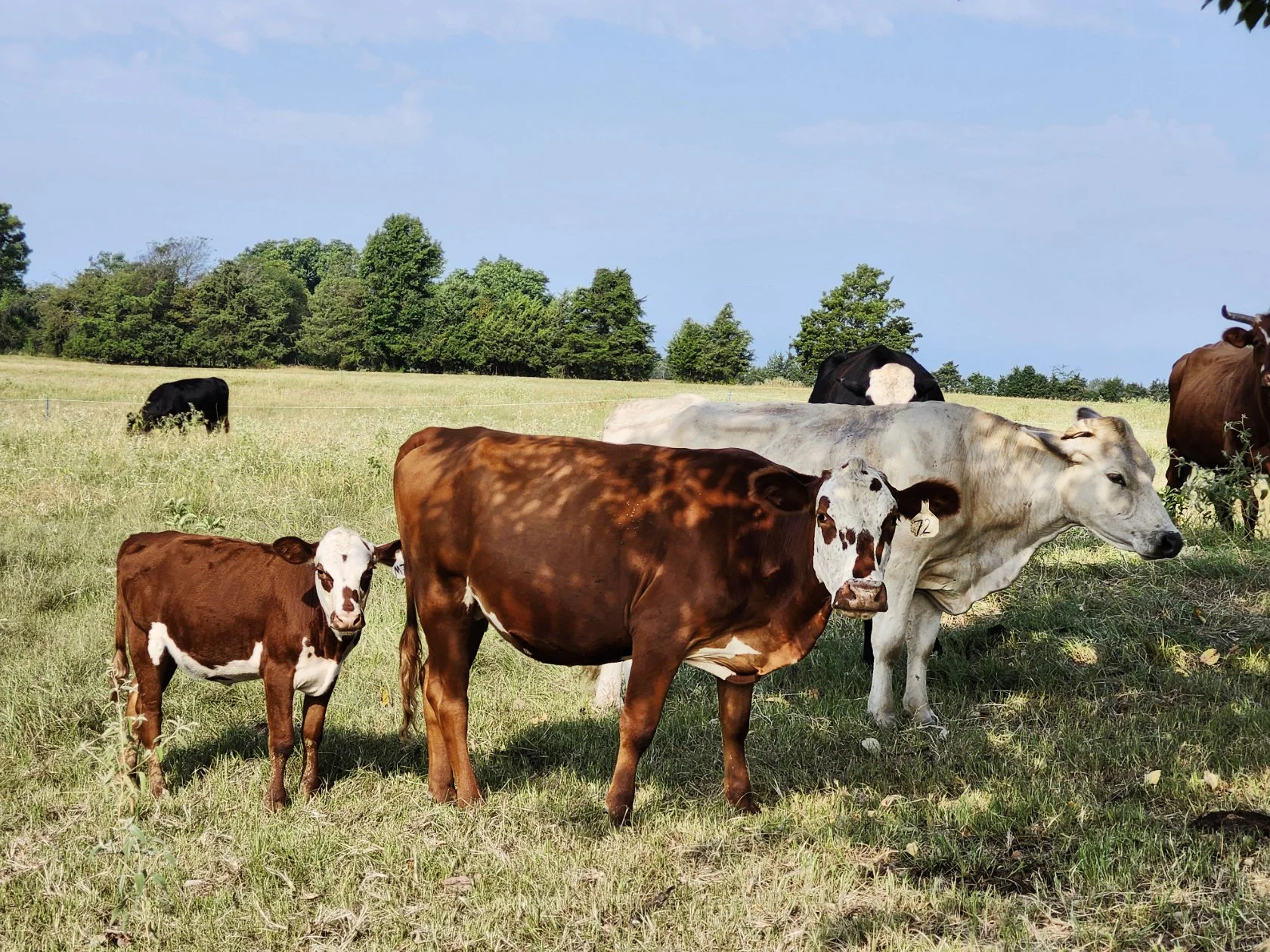
By managing for a broad mix of grasses and forbs, we support deeper and more varied root systems, improve nutrient cycling, and increase resilience during challenging weather conditions. Diverse pastures also benefit wildlife and provide a more balanced forage base for cattle.
5. MAINTAINING LIVING ROOTS
Living roots are the engine of soil health.
Our grazing strategy emphasizes adequate recovery periods so plants can regrow and continue feeding the soil through their root systems. Continuous root activity improves soil structure, increases water infiltration, and supports long-term pasture productivity.
6. INTEGRATING LIVESTOCK THOUGHTFULLY
Livestock plays a critical role in grassland systems.
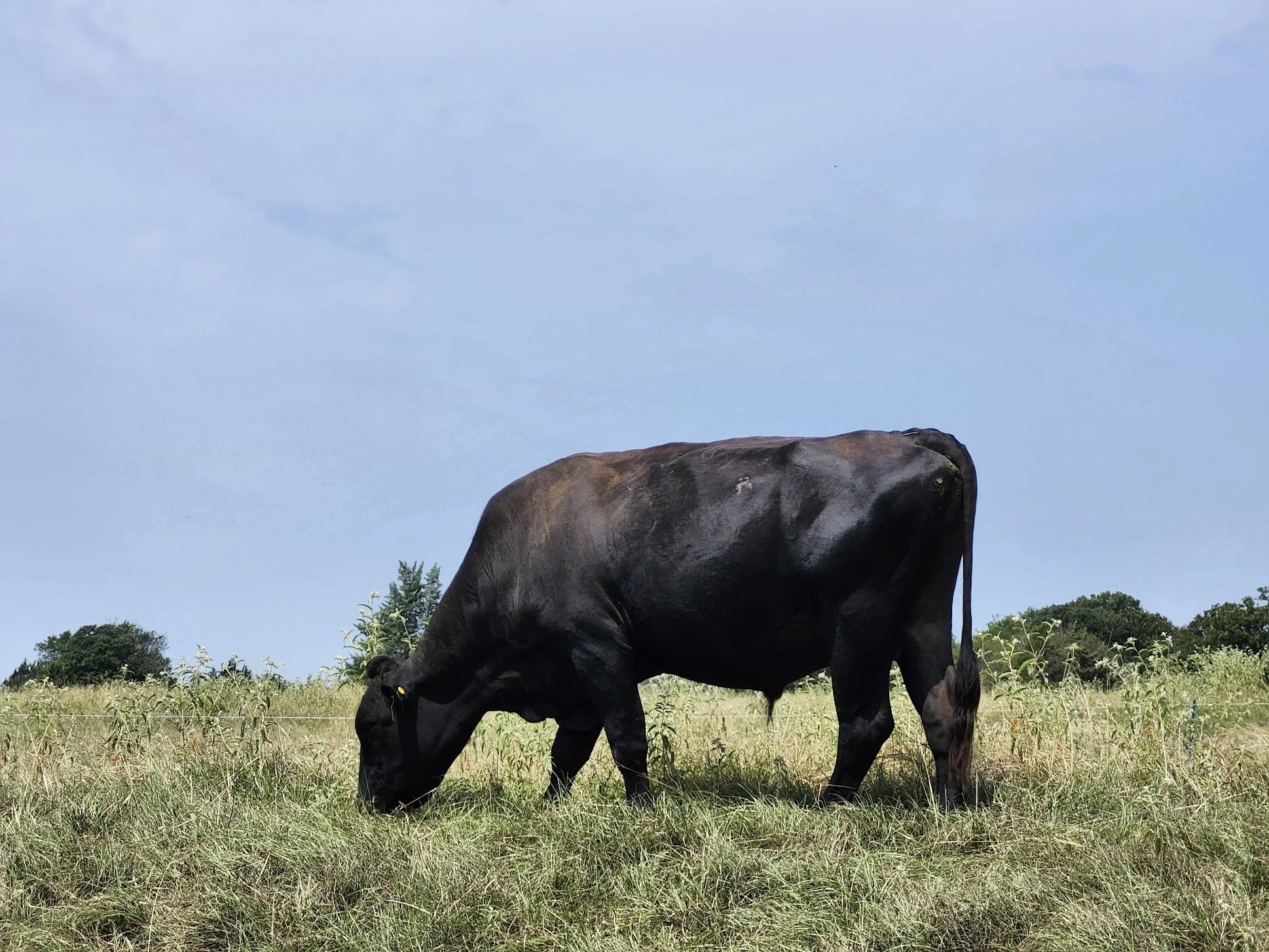
When managed with intention, cattle stimulate plant growth, return nutrients to the soil, and help cycle organic matter. We use planned grazing to concentrate impact briefly, followed by rest, allowing the land to recover and improve over time.
OUR COMMITMENT
This approach isn’t about shortcuts or quick gains. It’s about stewardship, resilience, and responsibility.
By prioritizing soil health, we’re building a ranch that can withstand weather extremes, reduce reliance on outside inputs, and remain productive for future generations. We believe this method produces better outcomes for the land, the cattle, and the people who depend on both.